
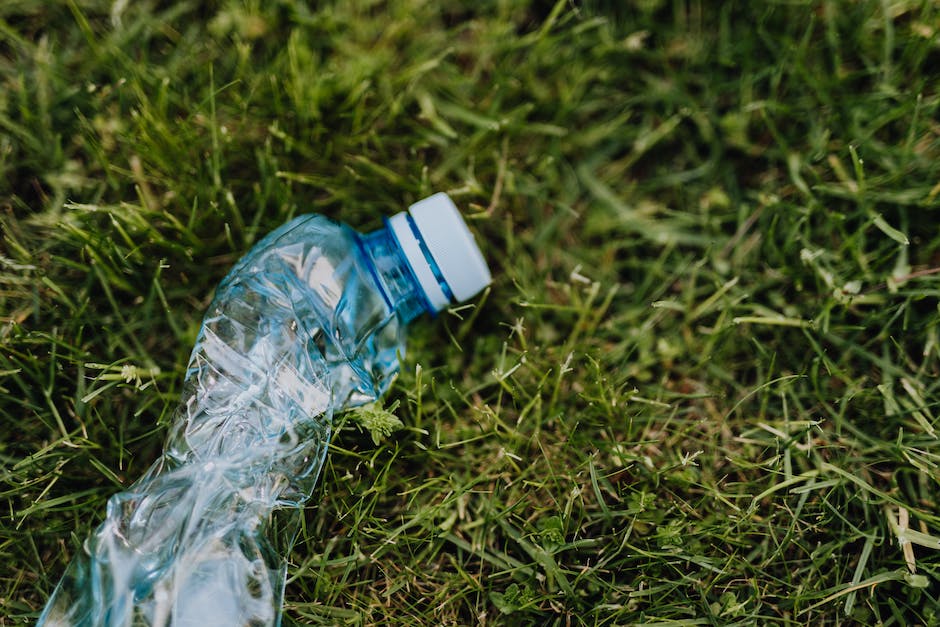
commercial landscape design

What Can Cause Damage to Your Lawn

A beautiful lawn invites people to play, but it also requires a significant amount of work. Despite your best intentions, you can inadvertently cause damage to your lawn through well-intentioned mistakes.

Over Fertilizing

A too generous or frequent application of fertilizer weakens grass and can burn it. Excess fertilizer lays on top of the ground and washes off during rainfall or irrigation where it contaminates water sources.

Watering at the Wrong Time

Lawns should be watered in the early morning hours to mitigate evaporation. Water quickly evaporates in the hot sun before it can soak into the soil. Watering at night allows moisture to set on the grass, providing an environment for disease.

Overwatering and Underwatering

Too much water creates runoff and puddling. The soil can’t absorb the moisture quick enough. Underwatering doesn’t allow nutrients to make their way beneath the soil and to the roots where they’re needed. Grass shouldn’t be watered every day.

Cutting Grass Too Short

Each type of grass has an optimal length at which it should be maintained. When cut too short, grass blades must use stored nutrients from the roots to produce more growth, weakening the grass.

Using Dull Mower Blades

Dull mower blades rip and tear grass instead of providing a clean cut. The result is ragged edges and stressed lawns that are more susceptible to disease and insect predations.

Mowing When Wet

Grass blades bend when they’re wet instead of standing stiffly upright. Grass is more difficult to cut, contributes to thatch, and the potential for disease.

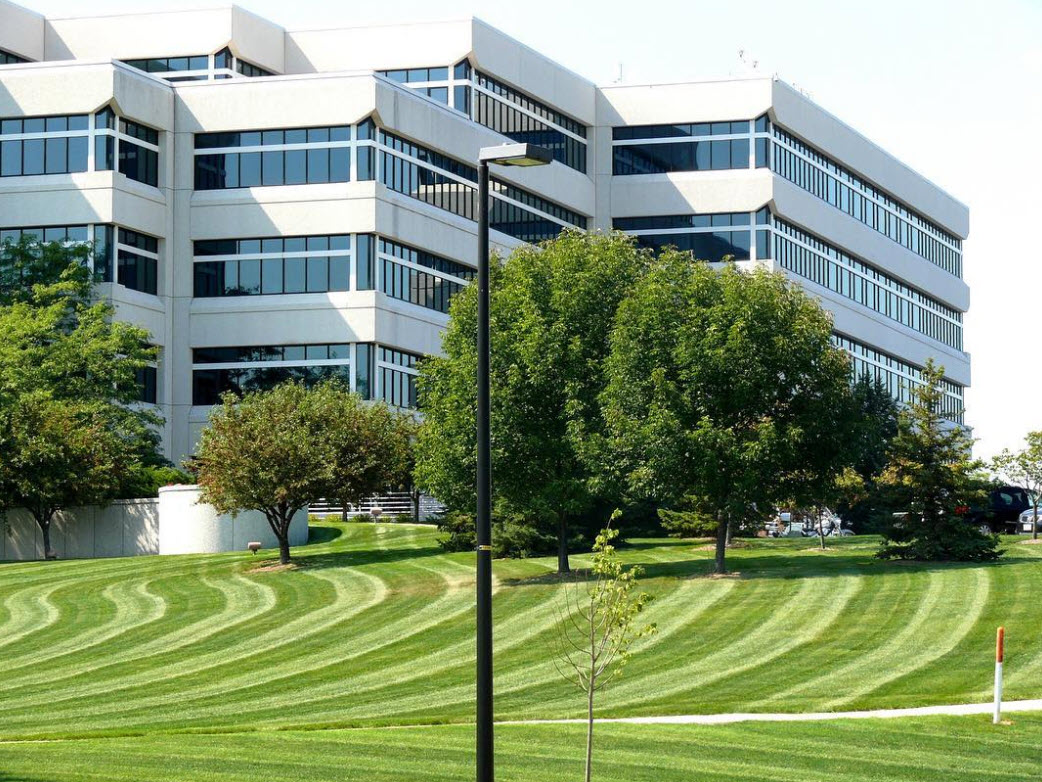
Mowing in the Same Direction

Besides creating small troughs and ruts in the soil, mowing in the same direction can result in uneven cutting due to ground topography.

Throwing Shade

Too much shade from trees, shrubs, pergolas or canopies robs lawns of the light they need to thrive. Every grass species has its own light requirements.

Thatch Build Up

Thatch is a layer of vegetative material that builds up on lawns from grass clippings and stems. The material forms a mat on the soil that makes it difficult for water, nutrients and air to penetrate. If not aerated, lawns can die for lack of nutrients and thatch provides an environment where multiple diseases can multiply.

Contact RCH Landscaping Today for a Free Estimate
561-779-9760

Read more

What to Know About Low Maintenance Landscaping

The first thing to understand about low-maintenance landscape is that the term doesn’t mean no maintenance. There will still be garden tasks to perform, but the time spent will be much less than in a traditional landscape model. Low maintenance landscapes don’t have to be an all or nothing decision. It’s entirely possible to incorporate various elements into an existing environment. There are multiple components that can be selected for a low-maintenance landscape that include the following.

Artificial Turf

Made of synthetic fibers, artificial turf withstands high foot traffic and feels like real grass. It doesn’t require fertilizer, watering, or insect control Best of all, it eliminates mowing.

Evergreens

They don’t drop copious amounts of leaves that have to be raked. Evergreens are available as trees and bushes in a variety of textures and color gradations.

Gravel and Rocks

Both elements can be used to create paths and walkways The materials can also be utilized as a ground cover, mulch to reduce weeds, or borders for flowerbeds.

Ground Covers

There are dozens of plant-based ground covers from which to choose and many have blossoms that can attract pollinators. They’re great for slopes, minimizing erosion and are effective for controlling weed growth.

Hardscape Options

These are non-plant items in the landscape ranging from statuary, firepits and patios to pergolas, water features and walkways. Simply install them and leave them alone.

Ornamental Grass

They can add interest to the environment and are a good choice for minimizing erosion. The seeds provide food and a source of nesting materials for birds. Flowering varieties attract pollinators.

Perennial Plants

It’s a good idea to start with native plants that are already adapted to the South Florida climate and thrive in the local conditions. They’re more resistant to disease and insect pests. They encompass a wide range of colors, textures and heights. Perennials return every year with no effort on the part of gardeners.

Contact RCH Landscaping Today for a Free Estimate
561-779-9760

Read more
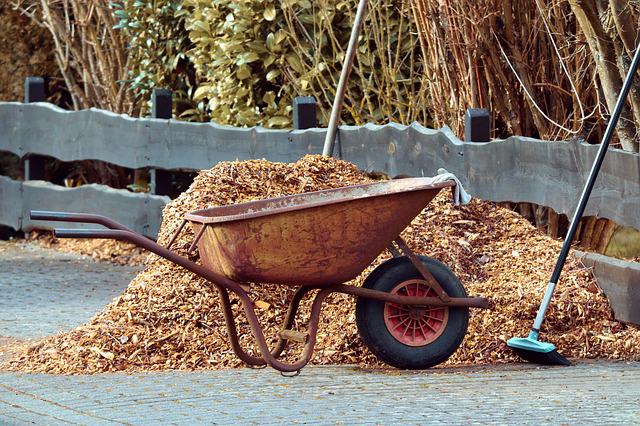
mulch

Drainage System Types: Problems and Solutions

Multiple types of drainage systems can be established. They each solve problems of excess or standing water that can cause erosion and promote insect populations such as disease-carrying mosquitos. Depending on the situation, drain systems can be combined. There are three primary types, surface, subsurface and slope, with some variations depending on where they’re used and the amount of water that needs to be controlled.

Surface Drain

This type of system is designed to remove water from the ground’s surface. The system typically uses an open concrete conduit or gravel-lined pathway to divert water to drains or another location.

A surface drain system can also be installed to empty into a tank or other receptacle beneath the soil’s surface. These are sometimes referred to as dry wells. The receptacle has perforations to allow the water to drain and be absorbed into the water table.

Swale Drain

Another type of surface drain, it utilizes a shallow ditch lined with turf or other vegetation to slow run off, mitigate erosion, and divert waterflow. They help keep storm drains from being overwhelmed if there’s a heavy rain.

Subsurface Drain

Also known as a French drain, these are installed beneath the surface of the ground. They use pipes covered by a layer of soil to remove excess water. Despite the name, they’re not French and are named after Massachusetts Judge Henry French, who wrote about them in 1859.

Slope Drain

The systems are designed to carry water away from a structure and down a slope through a pipe. The pipe is anchored to the slope Gutters and drains attached to homes and businesses are an example of one type of slop drainage.

Consult a Professional

Diverting and directing water may seem like an easy task, but there are multiple variables to be considered. It isn’t appropriate as a DIY project and individuals can inadvertently cause damage to surrounding properties. Installing an effective drain system requires the expertise of a professional.

Contact RCH Landscaping Today for a Free Estimate
561-779-9760

Read more
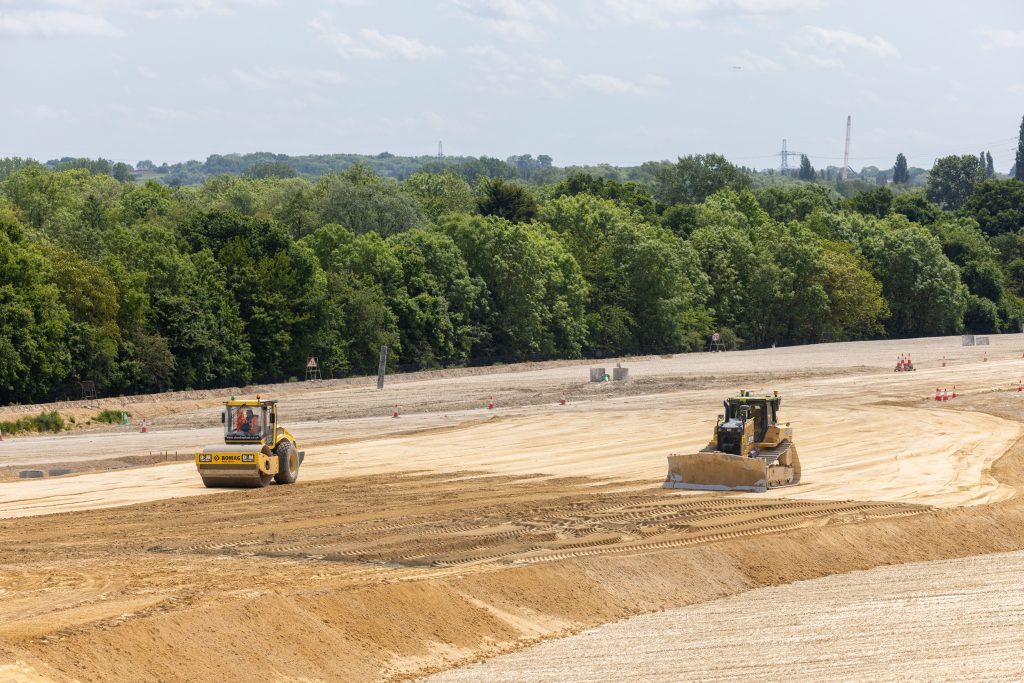
HS2: One million cubic metres of chalk from Chiltern tunnels used for landscaping

3 Mistakes to Avoid When Planning Your Landscape Design

Planning your garden design and browsing the potential plants to install is a fun endeavor. However, many people often wonder why their finished design isn’t quite what they envisioned. There are 3 very common mistakes that home designers make that can result in a landscape gone awry.

Colors and Styles

There are some colors that just don’t work well together and have a jarring effect on the eyes. The flower colors you choose to plant near your home can be overwhelming or give you a washed-out looking landscape. Examples would be a red brick home flanked by purple, red or lavender flowers, or a white house surrounded by white or beige flowers.

The same is true for the types of flowers you plant in relation to the style of home you have. The clean lines of modern style gardens would look completely out of place against a home with a classic architectural design.

Sparse Flower Beds

Many people begin with good intentions, only to discover their budget didn’t extend to all the plants they wanted to install. To make up for that, they often purchase fewer flowers and plant them further apart. The appearance is one of an anemic flower bed.

This type of planting in an open invitation for weeds to take over the bed. To counter weed growth, individuals often mulch the bed in the mistaken belief that it will be low maintenance. Instead, what they have is a mulch garden, reminiscent of a commercial landscape.

Even Numbered Plants

If you want to highlight a specific feature, such as a doorway, install a plant on either side of the entrance. Garden design for flower beds doesn’t work that way. An uneven number of plants invites the eye to wander and rove throughout the entire design. Groupings of 3 to 11 plants tend to work best. You’ll also need to avoid installing them in rows that are precision planned and overly straight.

Contact RCH Landscaping Today for a Free Estimate
561-779-9760

Read more
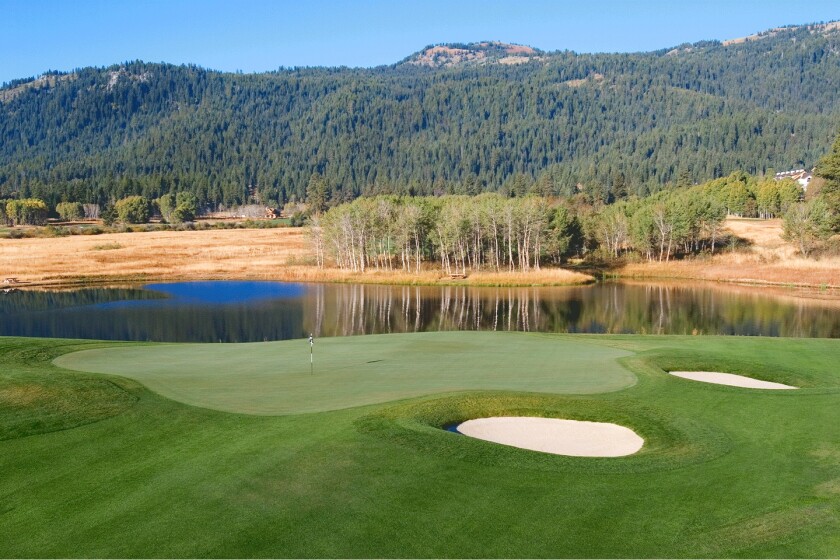
Robert Trent Jones II helps resuscitate Idaho’s Osprey Meadows

Plan Landscape Projects Early

If you’re planning to have work performed in your landscape, plan early. Don’t wait any longer if you haven’t already scheduled your project. It doesn’t matter whether you’re planning a full-scale remodel of your outdoor environment or just want to add a small water feature in the backyard – landscaping companies are in high and are often booked for months in advance.

The promising news is that they may also be able to work you in if your project isn’t too extensive. The range of services offered will depend on the individual landscape company, but can encompass any or all of the following.

Plantings

Landscape companies are best known for their planting services for flowerbeds, vines, bushes and trees. They’re highly-trained in the requirements of an extensive array of plants and are able to give them the best possible start in your yard.

Irrigation Systems

Landscape companies design and install traditional irrigation systems. They also work with sustainable systems that feature low water consumption and savings for clients.

Lawn Care

Maintaining a lush, green lawn can require considerable time, effort, and individuals can inadvertently do more harm than good for their lawn if they’re not careful. A landscaping company has highly-skilled technicians that know the optimal way to mow different species of grass, fertilize in the correct amount and at the right time, water effectively, and prevent disease and animal pests.

Hardscapes

These are the non-plant features that can be added to landscapes for interest and enjoyment. Hardscapes include such items as pool surroundings, walkways, statuary, pergolas, firepits, and lighting that enhances outdoor spaces.

Maintenance

Landscapers work with residential and commercial clients to install and maintain environments year-round. That can include trimming and pruning trees for their health and the safety of people and homes, tending to a backyard citrus grove, or removing fruits from palm trees.

Contact RCH Landscaping Today for a Free Estimate
561-779-9760

Read more

Important Landscape Design Elements

Some people have a natural talent for designing attractive gardens and the ability to plant almost anything and make it thrive. For those that don’t have those skills, a landscape designer is the solution. The following are key elements when hiring a landscaping company.

On-Site Inspection

Always expect an on-site inspection from the selected landscape company. The inspection process enables the company to explore the soil, choose compatible plants, and plan for every contingency, including an irrigation system if needed. It allows the estimator to create an accurate estimate so homeowners don’t experience any surprises later on.

The inspection includes accessibility to the property and any existing features that might be disturbed during the landscaping process. The inspector will note any potential problem areas such as slopes and cliffs, along with the placement of utility lines and property boundaries. Landscaping company can also design landscapes around themes, along with those that that are child- and pet-friendly.

Soil

The South Florida soil doesn’t retain moisture or nutrients well. While native plants have adapted to the soil, not all plantings are able to do so. They may require extra moisture, fertilization, or protection from the afternoon sun. Landscapers are knowledgeable about plant requirements.

Plantings

Individuals may have their heart set on certain plantings in their landscape, but that doesn’t mean it’s a good idea. Landscape designers are cognizant of the space requirements of mature bushes, shrubs and trees and help clients choose the best plants for their specific circumstances.

Sustainability

There’s a decided trend toward sustainable landscapes. The design utilizes plants that thrive in existing conditions and often relies on native plants. It also includes irrigation systems that use less water and save clients money.

Ultimate Usage

Homeowners should tell the landscaping professionals how the area to be addressed will be used. It provides information the experts can utilize to craft a landscape that accommodates the client’s aesthetics, while facilitating their intended use and lifestyle.

Read more

These Flowers Look Great All Year-Round

Gardeners in Florida are fortunate in the extensive range of flowering plants that will thrive in the sub-tropical climate. While people in other parts of the U.S. typically need to plant multiple types of flowers for successive blooms, the following flowers will look great year-round in South Florida.

Gaillardia

Also known as blanket flower, it begins blooming in early summer and continues until a frost occurs. They’re tolerant of heat, drought, and sandy soils. The brightly-colored red and yellow daisy-like flowers are heavy bloomers. Most varieties are 12 to 18 inches high, but some can grow up to 3 ft. tall.

Gerbera Daisy

Available with brilliant red, yellow, orange purple, pink or white blooms, they look great in the garden and can be used as cut flowers. Eager bloomers, they can break into blossom at any time and the flowers last for several weeks. They like the sun, but need afternoon shade, growing 10 to 18 in. high.

Ixora

Known as West Indian Jasmine, the shrub blooms year-round and each flower cluster can last 6 to 8 weeks. Blossoms are abundant and available in bright red, yellow, orange, pink or white. It doesn’t tolerate alkaline soils and needs full sun, growing 4 to 15 ft. tall and 4 to 10 ft. wide.

Pentas

A bush with star-shaped blooms, it attracts hummingbirds, butterflies and other pollinators. Blossoms are red, purple, lavender, white or pink. It needs full sun and grows 18 to 36 in. tall, but some species can reach 6 ft. in height. In South Florida it can even bloom into the winter months.

Salvia

The red, white or pink tubular blossoms appear spring through fall, attracting hummingbirds and butterflies. It typically grows 3 to 4 ft. tall. Use care in choosing a species, as some can spread where they’re not wanted. They’re drought tolerant.


Contact RCH Landscaping Today for a Free Estimate
561-779-9760

Read more

5 Things to Remember When Mowing Your Lawn

Maintaining a lush, green lawn is a priority for many people. What they don’t know is that their mowing practices may actually be damaging their grass in multiple ways. It doesn’t matter what type of grass is seeded or how hardy it’s supposed to be, employing correct practices will help it thrive.

Sharp Blades

Sharp blades are key to ensure cuts are clean. Dull blades rip and tear blades of grass. Blades need to be replaced or sharpened if the cut ends appear ragged. The grass tips will also appear gray where they were cut. Lawn grass that’s been ripped rather than cut is highly susceptible to disease, along with insect infestations.

Direction

Alter the direction in which you mow. You may have worked out a method for mowing that minimizes the number of passes you have to make. Mowing in the same direction each time can create ruts in the soil. When you mow in the same direction each time, grass is bent in a single direction and inconsistencies in length can occur.

Mow Weekly

When your lawn receives enough moisture, it will typically grow enough each week to warrant being mowed. Be aware of the needs of the variety planted.

Height Matters

  • Each species of grass has an optimal length that it should be kept. The University of Florida recommends the following:
  • Bahia grass – 3 to 4 in.
  • Bermuda grass – 5 to 5.5 in.
  • Carpet grass – 1.5 to 2 in.
  • Centipede grass – 1.5 to 2 in.
  • St. Augustine grass – 2.5 to 4 in
  • Zoysia grass – 1 to 3 in.

Water, Fertilizer and Weed Control

The average lawn only needs 1 to 1.5 inches of water per week to thrive during the growing season. Choose a slow-release fertilizer and apply appropriately to prevent burning the lawn. Dig up weeds by hand and use caution when applying weed killer.

Hire a Professional

If you don’t have the time or don’t feel confident about the many tasks associated with a lush lawn, hire a professional lawn service. They can install irrigation if needed. The experts will know how much fertilizer to apply and when, the appropriate methods to deal with insect pests, and can install irrigation.


Contact RCH Landscaping Today for a Free Estimate
561-779-9760

Read more

Landscaping Tips for Water Restricted Areas

Many cities throughout the U.S. have water restrictions. They’re designed to make the most
efficient use of the natural resource within the landscape. The South Florida Water
Management District has set forth specific days and times for watering, leading many
individuals to wonder about their landscaping. Residents can have a beautiful landscape, even
with watering restrictions.
Know the Rules
There may be exceptions for edible gardens or newly installed landscapes. Residents need to
read and understand the watering rules that apply to them.
Prioritize
Prioritize what gets watered. Plants that are drought sensitive should be watered first, along
with those that are high maintenance. Lawns will necessarily be a low priority.
Drought Resistant Plants
Consider planting species that require less water – or replacing existing plantings. That can
include grass, vines, bushes and trees. It will help conserve water and will cost far less to keep
the landscape hydrated. Native plants tend to require less water.
Mulch
Virtually any planting will benefit from mulch. It keeps soil cooler and helps in retaining
moisture. Mulch also aids in weed control
Irrigation Systems
Turn off automatic irrigation systems and only water plants when they really need it. Look for
signs of drooping leaves or leaf color changes to help determine when the plant requires water.
Many types of plants will survive droughts and low moisture if they were healthy and
established before water restrictions are in place.
Consider a drip irrigation system that uses far less water than traditional irrigation systems and
offers savings on water bills. Micro-irrigation systems may be allowed with no restrictions.
Water Reclamation
People across the nation use an estimated 7 billion gallons of clean drinking water every day for
watering plants. Consider collecting rainwater for use during a drought or having a water
reclamation system installed.

Contact RCH Landscaping Today for a Free Estimate
561-779-9760

Read more

How to Protect Your Business Landscaping from Storm Damage

Landscaping represents a considerable monetary investment for any business. Plantings
provide a welcoming and aesthetically pleasing entry to the property for customers. Trees,
bushes and flowers add value and interest to any property. In South Florida, storms can develop
at any time, creating chaos and damage to landscaping. The good news is that there are some
precautions you can take to minimize the potential for damage before it occurs.
Create Some Distance
Trees play an integral role in any landscaping project. They provide welcome shade that can
assist in reducing cooling costs, but they need to occupy the correct locations in the landscape.
Trees are one of the primary sources of damage during a storm. Keep large species away from
buildings to minimize damage from falling trees, breaking limbs and lightning strikes. Always
consider the size of the tree when it matures. Plant bushes and smaller trees near structures.
Wind Resistance
Some tree species are more prone to disease, breakage and limb loss. You’re going to want
trees in your landscape that are resistant to wind, less likely to blow over in a storm, and lose
limbs. It helps to plant trees in groups of at least 5 to maximize wind resistance. Each tree helps
protect the others.
Pruning
Trees need regular maintenance and pruning is part of that. When young, shrubs and trees
should be pruned for optimal growth, shaping and strength. New trees should be cabled and
braced to ensure they’re growing straight and establishing a strong root system. As they
mature, weak limbs should be removed, along with any that may have become damaged. If a
tree becomes diseased, its better to remove it for safety’s sake.
Drainage
Be sure your property has proper drainage. Trees can easily topple when soil becomes
saturated. Remedy any areas of the landscape where puddling or ponding are evident.

Contact RCH Landscaping Today for a Free Estimate

561-779-9760


Read more
Skip to content